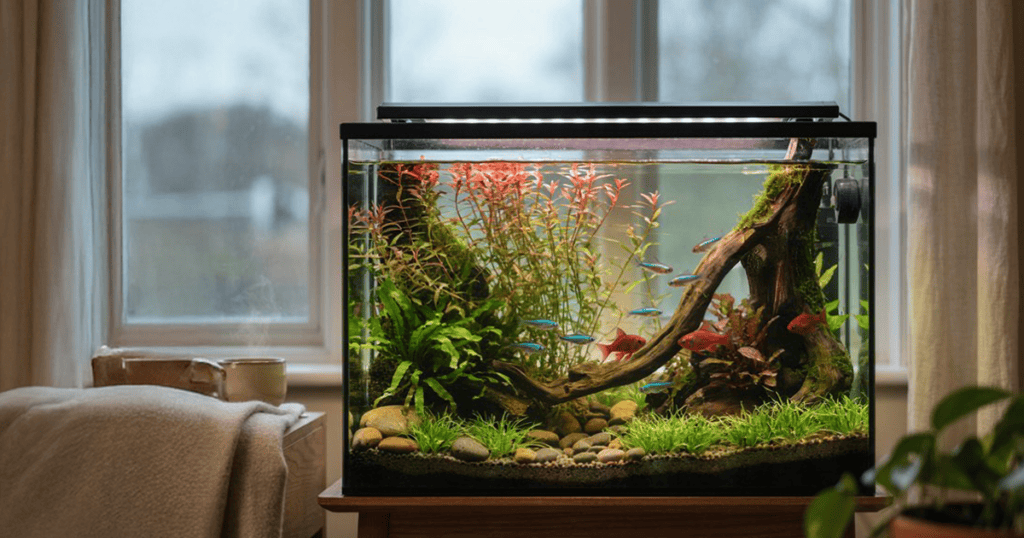

If you are setting up a fish tank, it usually starts with a simple question. “What size fish tank should I get?“
Most people lean towards something smaller. It feels easier. More manageable. Less commitment.
But from what we see across Brisbane, that choice often leads to more work later, not less. If you’re still asking “what size fish tank should I get”, the answer usually comes down to stability rather than space.
What actually changes with tank size
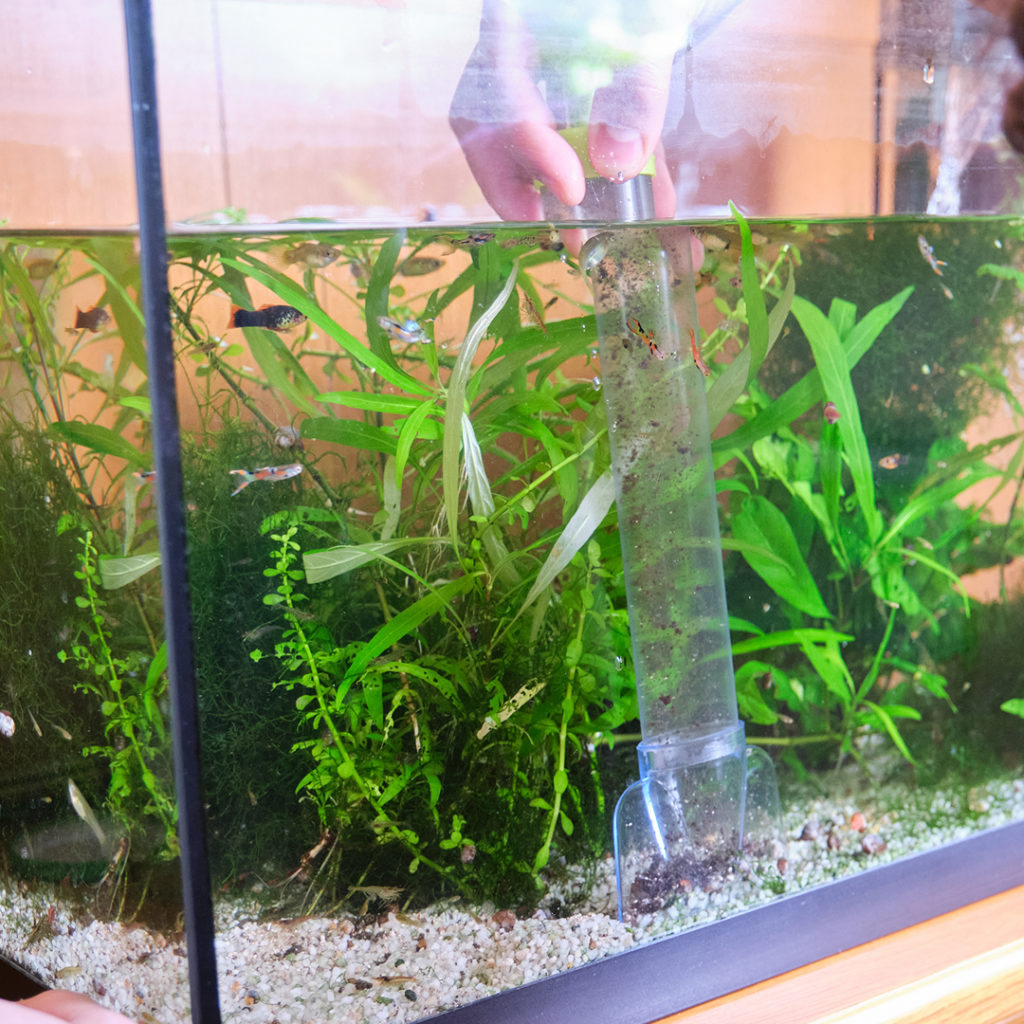
A hand uses a gravel vacuum to clean the substrate in a planted aquarium with green aquatic plants and small fish swimming inside.
What size fish tank should I get? A practical guide to choosing the right aquarium
An aquarium is a closed biological system. Fish produce waste in the form of ammonia, which is processed by beneficial bacteria into nitrite and then nitrate through the nitrogen cycle. Oxygen exchange, filtration, and water volume all influence how stable that system remains over time.
The size of the tank directly affects how quickly these chemical parameters change:
- In larger aquariums, the greater water volume dilutes waste products and slows shifts in ammonia, pH, and temperature.
- In smaller aquariums, the same amount of waste results in a higher concentration, meaning water chemistry can change more rapidly.
Fish Fact: In smaller aquariums, ammonia and waste can build up quickly after feeding, while larger tanks naturally dilute these changes and remain more stable.
That difference is what determines whether a tank feels easy to manage or constantly needs attention.
Why do some tanks feel easy and others do bot
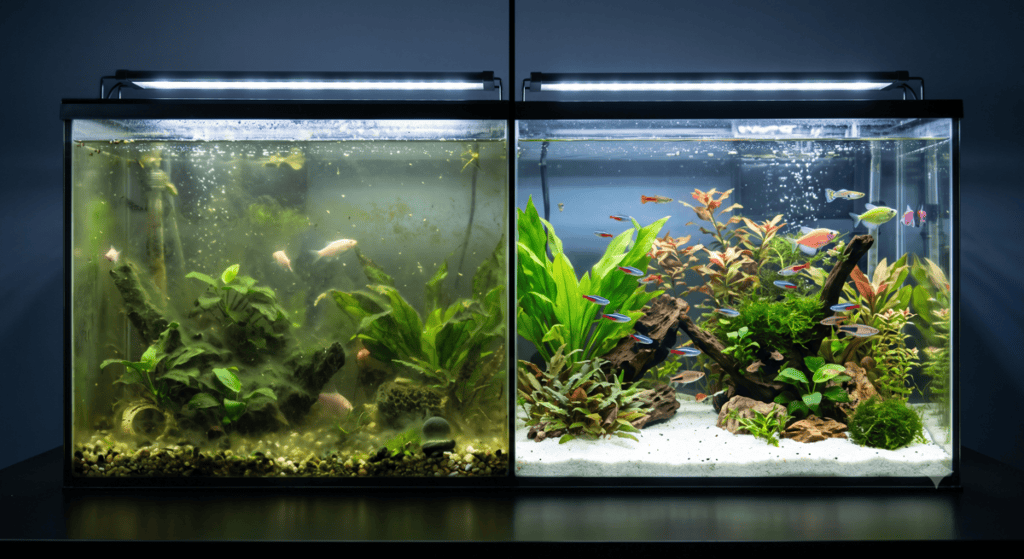
From experience, the tanks that stay clear and consistent usually have:
- A balanced number of fish
- Filtration that matches the tank size
- Consistent feeding habits
- A setup that was done properly from the start
When those pieces line up, the tank settles into a rhythm.
When they do not, it becomes reactive.
What We See in Real Tanks:
Many of the aquariums we maintain across Brisbane that struggle long-term are not poorly maintained. They were simply set up in a way that makes stability harder to achieve.
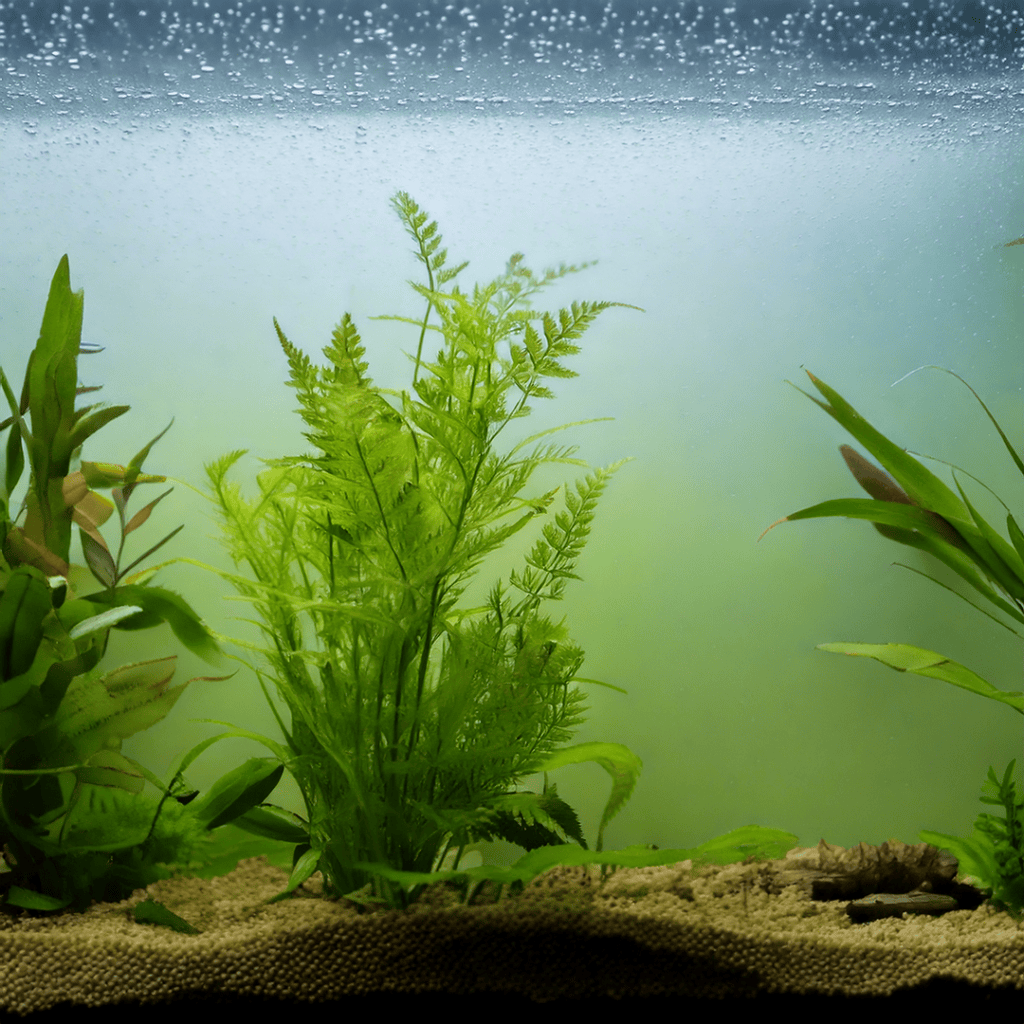
If you are already noticing cloudy water, it often ties back to setup and tank size.
Learn more about cloudy aquarium water causes and fixes
So, what size fish tank should I get?
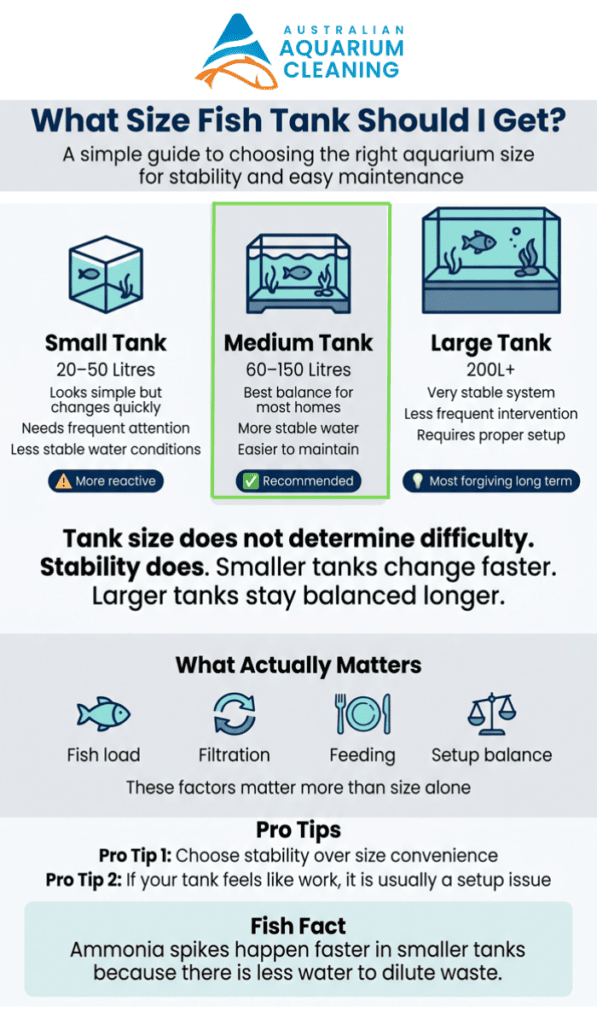
An infographic titled “what size fish tank should I get?” compares small, medium, and large tanks. It outlines the pros and cons of each, with a clear focus on how stability improves as tank size increases, along with practical advice on setup and maintenance.
The aquarium size guide above shows that in most homes, a medium-sized aquarium is the easiest place to start. When deciding “what size fish tank should I get”, this is where most people find the best balance.
Something around 60 to 150 litres gives you a good balance. It offers enough volume to stay stable, while still being manageable in a home environment.
Larger systems can be even more forgiving once they are set up correctly.
Pro Tip: If your goal is a low maintenance aquarium, choose a tank size that gives you stability, not just something that fits the space.
Choosing “”what size fish tank should I get” is not just a design decision. It directly affects how your aquarium behaves day to day, including how often it needs cleaning.
For more on cleaning routines, see: Fish tank cleaning in summer
Where Setup Makes the Biggest Difference
When you ask yourself, “What size fish tank should I get?”, most people think cleaning is going to be the hardest part of the decision-making process.
However, setup is where everything is decided.
The tank size, the filtration, and how the system is balanced from day one all shape how the aquarium performs over time.
Fish Fact: Beneficial bacteria take time to establish in a new tank, and disrupting that process too early is one of the most common causes of instability and cloudy water.
If you are setting up a planted tank, balance becomes even more important: Planted aquarium setup guide
A Note on Quality Systems
The tank itself still matters.
Quality systems from brands like Aqua One provide a strong foundation, especially ranges like the Brilliance series, which are designed with long-term stability in mind.
We work with these systems regularly across Brisbane, and when they are set up and balanced properly, they tend to be some of the most consistent aquariums to maintain.
Explore their range here:
https://aquaone.com.au/2015-04-16-04-47-04/2015-04-16-06-00-17/coldwater-tropical
When asking yourself “what size fish tank should I get”, what makes the difference is not just the tank, but how the entire system is supported.
Keeping Things Simple
You do not need to overcomplicate things to get a good result.
Most aquariums that stay clear and easy to manage are not the most advanced. They are the most consistent.
When people ask what size fish tank should I get, they are often trying to make things easier from the start. The reality is that long-term success comes down less to complexity and more to keeping things steady.
Most stable aquariums follow a few simple patterns:
- Fish are added gradually, giving the system time to adjust
- Feeding is consistent and controlled, avoiding excess waste
- The setup is allowed to stabilise instead of being constantly changed
- Maintenance follows a steady, predictable routine
These habits reduce sudden changes in water chemistry and give the biological system time to do its job properly.
Pro Tip: If your tank feels like constant work, it is usually not a cleaning issue. It is a setup or balance issue.
A stable tank is not one that is perfect.
It is one that behaves predictably week to week.
Small adjustments over time are far more effective than reacting to every change. This is where many tanks run into trouble, especially when too many variables are changed at once.
If you are planning time away, consistency becomes even more important. Keeping feeding, lighting, and maintenance on a steady schedule helps avoid sudden imbalances while you are not there to monitor things: Holiday aquarium cleaning Brisbane
Where Experience Matters
Some people enjoy getting hands-on with every part of their aquarium. Others just want a tank that looks good and stays that way without constant effort.
That is where experience really makes a difference.
At Australian Aquarium Cleaning, we work with clients across Brisbane to help them choose the right tank size and keep things running smoothly over time. It is not just about cleaning. It is about setting the system up so it actually works.
From experience: the easiest tanks we maintain are not the ones that are cleaned the most. They are the ones that were set up properly from the beginning.
We also look after larger commercial systems where consistency is even more important:
Commercial aquarium maintenance Brisbane
If you are still wondering “what size fish tank should I get”, or your current setup is not behaving the way you expected, getting the right advice early can save a lot of time later:
https://aquariumcleaning.au/contact/
The Choice is Up to You
Choosing the right tank size shapes everything that comes after.
A tank that is too small can feel unpredictable and high-maintenance.
A well-chosen tank creates stability and makes ongoing care much easier.
- Clear water.
- Healthy fish.
- Less effort over time.
It all starts with choosing the right size fish tank.
Frequently Asked Questions
What size fish tank should I get as a beginner?
A medium sized tank between 60 and 150 litres is usually the easiest to manage because it offers better water stability and flexibility.
Are smaller fish tanks easier to maintain?
No. Smaller tanks often require more attention because water conditions change faster and are less stable.
Does tank size affect cleaning frequency?
Yes. Smaller tanks typically need more frequent maintenance, while larger tanks remain stable for longer when set up correctly.
Can the wrong tank size cause cloudy water?
Yes. Incorrect tank size combined with poor setup can lead to cloudy water and unstable conditions.
Is it worth getting help choosing a tank?
Yes. Getting the setup right early makes long term maintenance much easier and prevents common issues.