
Most aquarium disasters do not happen out of nowhere. The tank warns you first, and the earliest fish tank warning signs are easy to miss until fish are already struggling.
By the time a fish is sitting at the surface or lying on the bottom, the aquarium has usually been slipping out of balance for days. The water may have looked fine. The fish may have seemed normal. Underneath, something was already going wrong.
The good news is that if you know what to look for, you can usually act before a bad day becomes an emergency.
At Australian Aquarium Cleaning, we see this pattern constantly across Brisbane, the Gold Coast, and the Redlands. Most fish problems are not bad luck. They come down to water quality, filtration, oxygen, or feeding, and almost all of them give a warning first.
This guide covers seven fish tank warning signs, what each one usually means, and, just as importantly, when the problem is worth handing to a professional rather than fighting on your own.
Why Fish Hide Their Problems
Fish are very good at appearing fine until they are not. In the wild, a fish that looks weak becomes a target, so fish instinctively mask stress for as long as they can. By the time the symptoms are obvious, the cause has often been present for a while.
That is why reading the whole aquarium matters more than watching one fish. The water, the filter, the flow, and the behaviour of the tank tell the story earlier than any single fish does.
Fish Fact: Many fish hide signs of illness to avoid looking vulnerable, which is why aquarium problems are often noticed later than they actually begin.
The 7 Fish Tank Warning Signs to Watch For
Each of these signs means something specific. Read them as the tank trying to tell you what is wrong before it becomes an emergency.
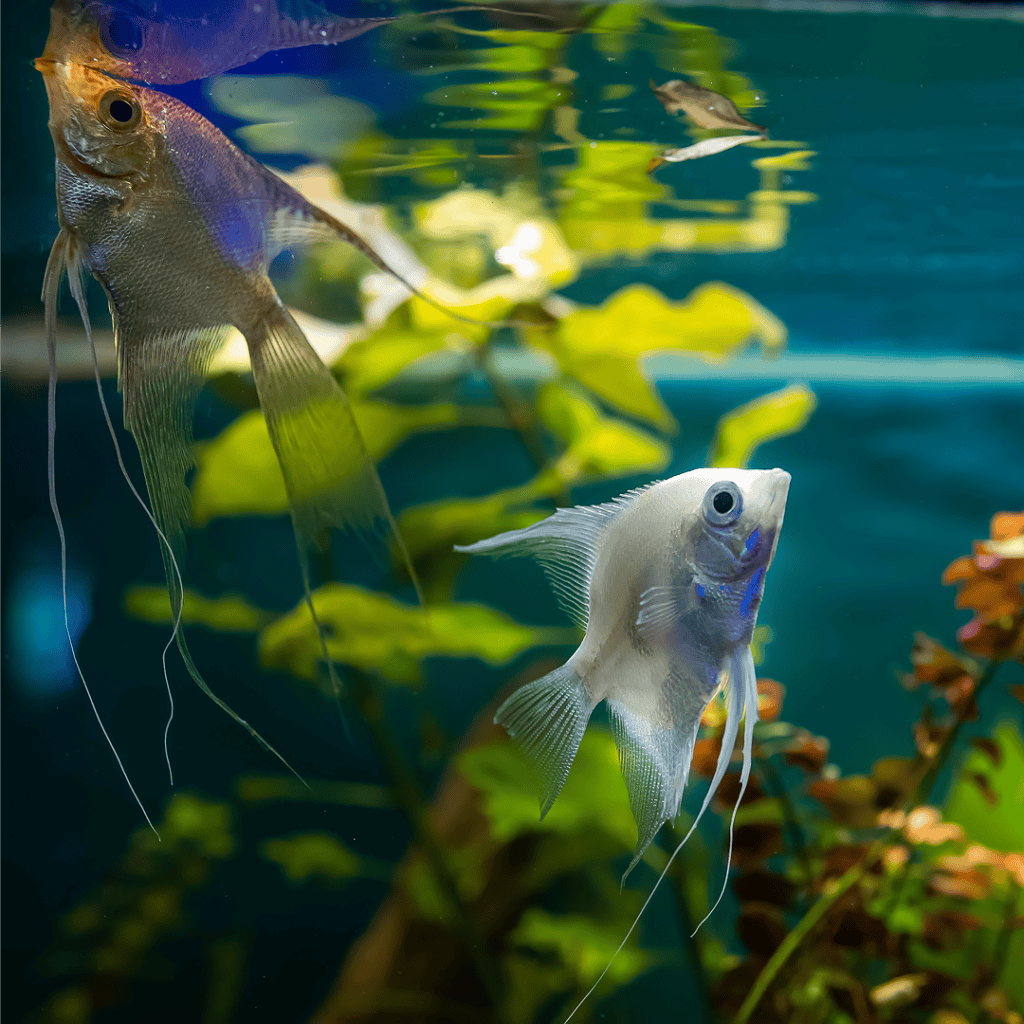
1. Fish Are Gasping at the Surface
Fish gasping at the surface or crowding around the filter outlet is one of the clearest warning signs.
It usually means one of two things. Either the water does not hold enough oxygen, or something in the water is irritating the gills.
Low oxygen can come from warm water, poor surface movement, overstocking, or a filter that has lost flow. Warm water holds less oxygen, which is why this shows up more often during a Brisbane summer. Gill irritation is different and is often caused by ammonia or nitrite, which damage the gills and make breathing hard even when oxygen is present.
If your fish are gasping, do not assume it is just heat. Check the surface movement and filter flow, and test the water for ammonia and nitrite. If it keeps happening, the cause is usually deeper than the weather, and that is the point where a professional check pays off.
Pro Tip: Fish gasping first thing in the morning often points to an overnight oxygen problem, when fish and plants are both using oxygen and none is being produced.
2. Cloudy Water Appears Suddenly
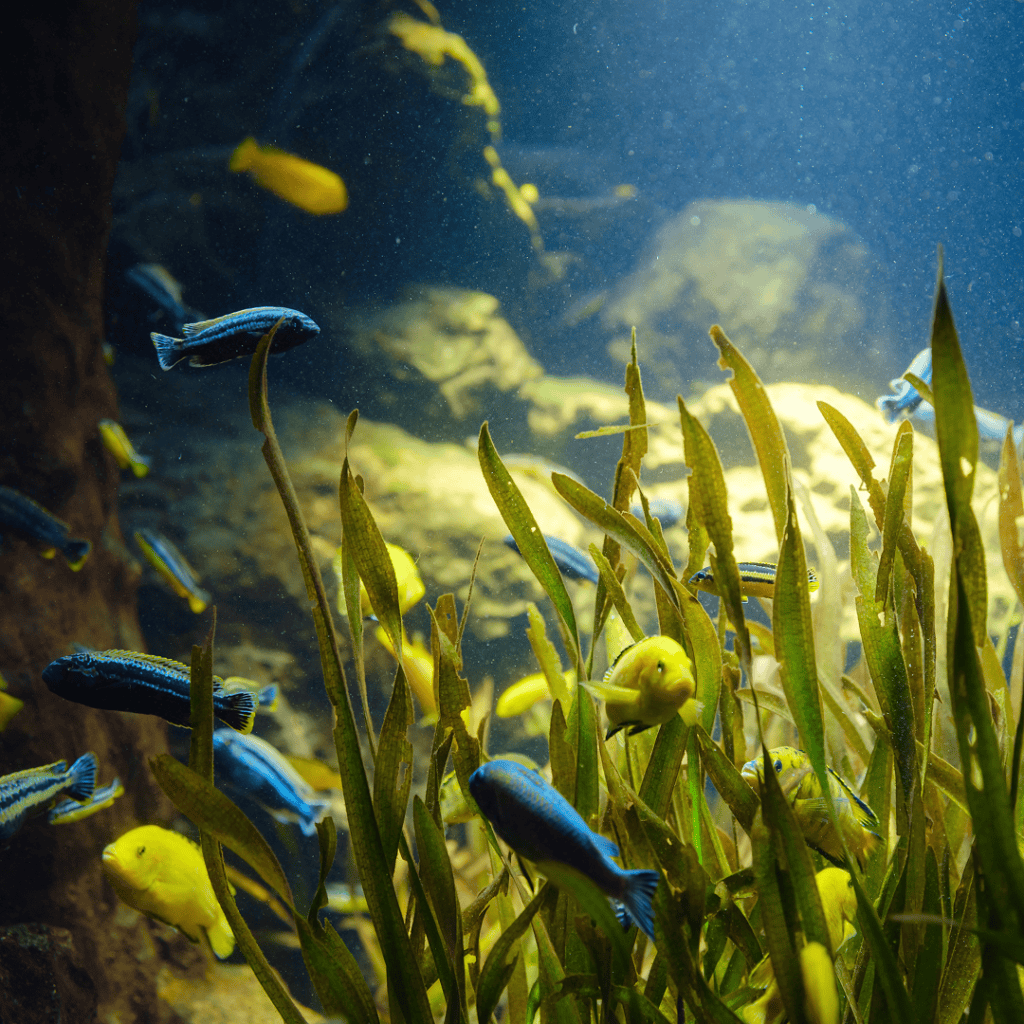
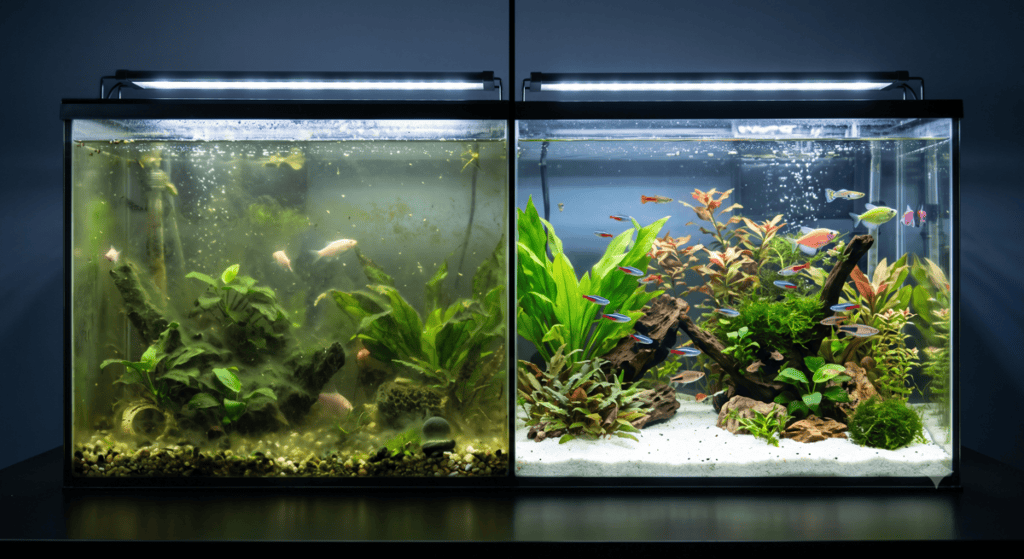
Clear water that turns cloudy over a day or two is a warning, not just a cosmetic problem.
A white or milky haze is often a bacterial bloom, which means the biological balance has been disturbed. A green tint usually points to an algae bloom driven by light and nutrients.
A bacterial bloom often follows a big clean, a filter change, overfeeding, or a new tank that has not finished cycling. It can come with rising ammonia or nitrite, which puts real stress on fish. The instinct is to clean harder, and that usually makes it worse.
If your cloudy water keeps coming back no matter what you try, the cause is usually filtration, feeding, or stocking rather than the water itself. Our guide on cloudy aquarium water causes and fixes walks through the difference. When the same problem returns again and again, it is often faster and cheaper to have someone diagnose the underlying cause than to keep buying products that treat the symptom.
Fish Fact: Milky, hazy water is often a bacterial bloom, which is a biological signal rather than simple dirt in the tank.
3. Fish Stop Eating
A fish that suddenly refuses food is telling you something.
Healthy fish are usually keen to eat. When several go off their food at once, it often points to a water quality problem rather than the food. Ammonia, nitrite, a temperature swing, or low oxygen can all reduce appetite.
A single fish ignoring a meal may just be full. A whole tank losing interest usually means the water needs checking. Do not respond by adding more food to tempt them, since uneaten food breaks down and makes the underlying problem worse. Our guide on how long fish can go without food explains why a short fast is far safer than overfeeding a stressed tank.
Pro Tip: When a whole tank goes off food at once, test the water before you change the diet. Lost appetite is often a water quality signal, not a feeding preference.
4. Fish Hide Constantly
Some hiding is normal. Many fish rest in caves or behind plants, and shy species naturally stay out of sight.
The warning sign is a change. When normally active fish start hiding constantly, clamp their fins, sit on the bottom, or dart around erratically, something in the environment is usually wrong.
Common causes include poor water quality, aggression between tank mates, a temperature problem, or stress from sudden change. Watch the whole tank for fin clamping, rapid gill movement, flicking against surfaces, or loss of colour. These stress signals often appear alongside the hiding, and together they are a clear prompt to check the water.
5. Your Filter Has Lost Flow
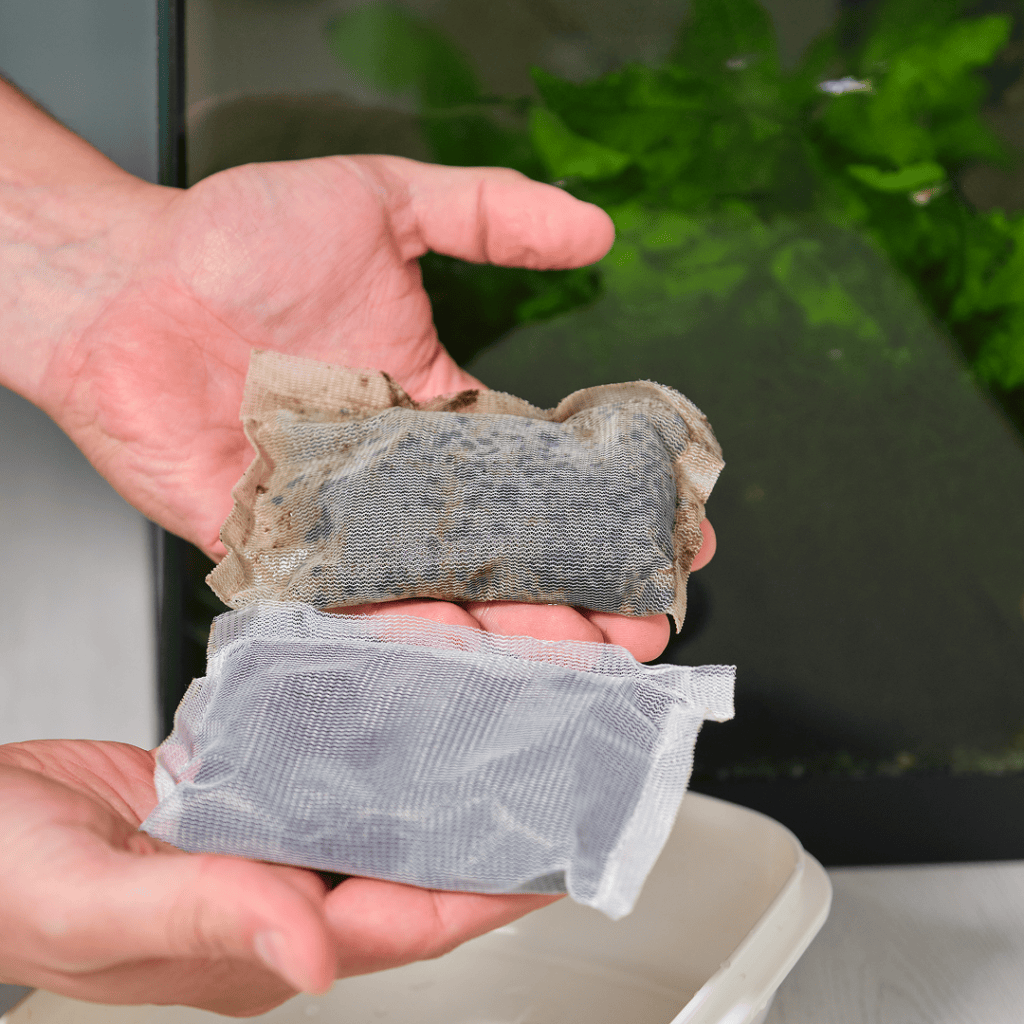
The filter is one of the main reasons an aquarium stays stable, so a drop in flow is serious.
When flow weakens, oxygen exchange drops, waste collects in dead spots, and the beneficial bacteria that process ammonia have less water passing over them. A filter can lose flow because the media is clogged, the impeller is jammed, or the intake, hoses, or outlet are blocked. Sometimes it is simply undersized for the tank.
If flow has dropped, start gently. Rinse the mechanical media in old aquarium water, never under the tap, then check the impeller and intake. Our guide on aquarium filter cleaning without cloudy water explains how to restore flow without crashing the bacteria. If the flow stays weak after cleaning, the filter may be failing or wrongly matched to the tank, which is worth a professional set of eyes before it takes the fish down with it.
Fish Fact: Most of the beneficial bacteria in your aquarium live on surfaces inside the filter and tank, so steady flow is part of keeping those bacteria working.
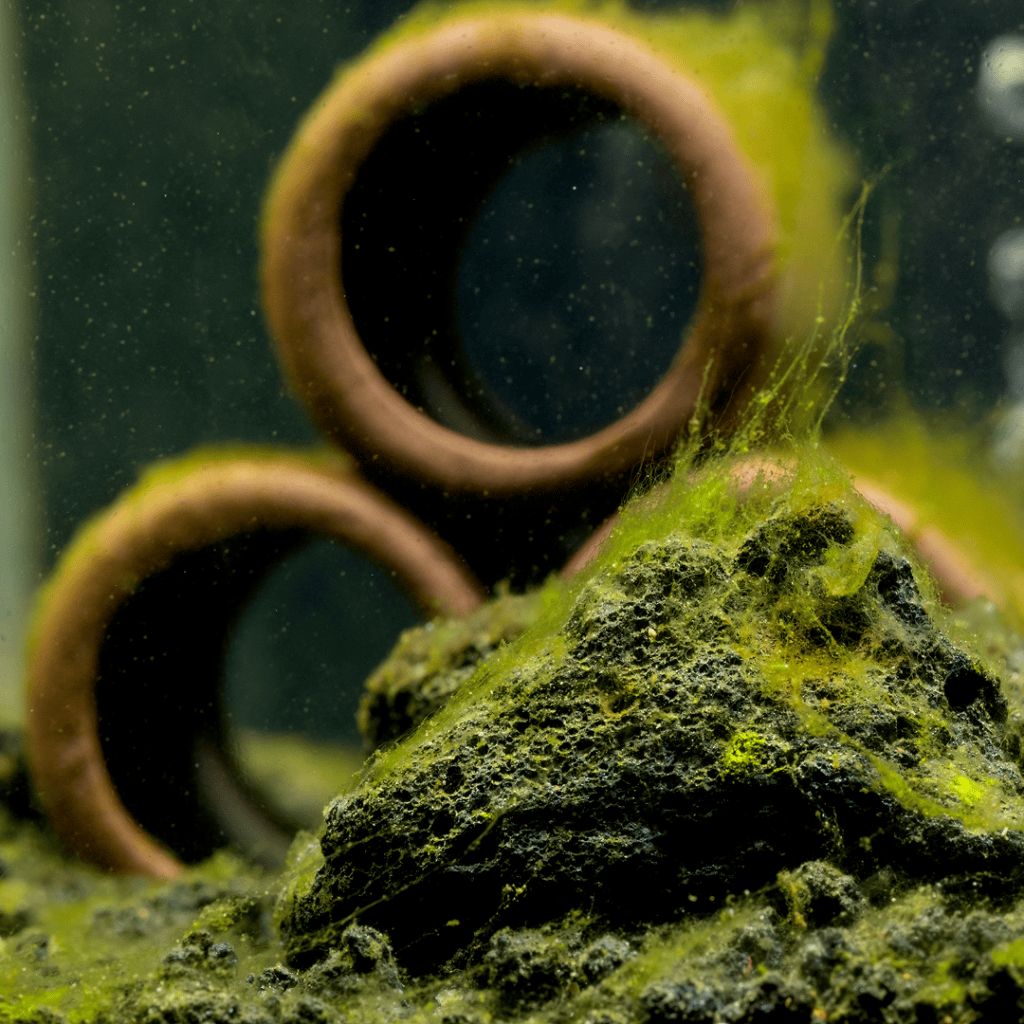
6. Algae Suddenly Takes Over
A sudden surge of algae is the tank telling you something has shifted.
Algae feeds on light and nutrients. When it explodes, there is usually an excess of one or both, from too much light, overfeeding, waste buildup, infrequent water changes, or a filter that is no longer keeping up. A little algae is normal. A rapid takeover is not.
Scrubbing the glass treats the symptom. The fix is usually in the lighting hours, the feeding, the water change schedule, or the filter. If algae keeps returning no matter how often you clean, the cause is environmental, and that is exactly the kind of recurring problem a maintenance routine is designed to solve.
Pro Tip: Cutting lighting back to a sensible daily window and reviewing feeding usually does more to control algae than scrubbing the glass ever will.
7. Fish Start Dying Without Explanation
The most serious of these fish tank warning signs is fish dying when nothing looks obviously wrong.
When the water looks clear but fish keep dying, the problem is almost always something you cannot see. Ammonia and nitrite are invisible and effectively odourless at lower levels, yet both are highly toxic. A tank can look spotless while the water chemistry is dangerous.
This often happens in a new tank that has not finished cycling, after a heavy clean that disturbed the bacteria, following overfeeding, or when a filter has quietly failed. If you are losing fish without a clear cause, test for ammonia, nitrite, nitrate, and pH. Clear water is not the same as safe water. The RSPCA Australia water quality guide explains why these invisible levels matter so much for fish health.
Unexplained losses are the situation where waiting costs you the rest of the tank. A professional water test and assessment can find what a glance cannot, and often saves the remaining fish.
Fish Fact: Ammonia and nitrite are invisible and effectively odourless at low levels, so water can look perfectly clear while still being unsafe for fish.
What We See in Real Tanks
Across homes, offices, clinics, and childcare centres around Brisbane, the same few causes come up again and again.
Most emergencies trace back to overfeeding, a filter that lost flow weeks ago, a big well-meaning clean that wiped out the beneficial bacteria, or a tank that was stocked before it finished cycling. The encouraging part is that nearly every one of these tanks gave warning signs first.
The owners who saved their fish were usually the ones who noticed early and resisted the urge to overcorrect. The ones who lost fish often spent weeks buying products that treated symptoms while the real cause sat untouched. That is the difference a trained eye makes.
When It Is Time to Call a Professional
Some aquarium problems are simple to fix at home once you know the cause. Others keep coming back, and that is the signal to get help.
It is worth booking a professional visit if fish keep dying despite clear water, if cloudy water or algae keep returning no matter what you do, if filter flow stays weak after cleaning, or if your tests show ammonia or nitrite you cannot bring down. The same applies if you simply do not have the time, or you would rather not keep guessing while fish are at risk.
At Australian Aquarium Cleaning, we usually find that recurring problems clear up quickly once the filtration, flow, feeding, and stocking are assessed together rather than one piece at a time. We service homes, offices, dental and medical clinics, childcare centres, and commercial spaces across Brisbane, the Gold Coast, and the Redlands.
If your tank is showing any of these fish tank warning signs and you would rather have it sorted properly, call us on 0457 536 205 or send a message through our contact page and we will help you get the aquarium back to clear water and healthy fish.
You can also see what is included in our aquarium maintenance and cleaning services.
Frequently Asked Questions
What are the most common fish tank warning signs?
The most common fish tank warning signs are fish gasping at the surface, water turning cloudy, fish losing their appetite, constant hiding, weak filter flow, sudden algae growth, and fish dying without an obvious cause. Each points to a problem with oxygen, water quality, or filtration that is worth checking early.
Why are my fish gasping at the surface?
Fish usually gasp at the surface because of low oxygen or poor water quality. Warm water, weak filter flow, overstocking, or ammonia and nitrite can all make breathing harder. Check surface movement and filter flow, then test the water. If it keeps happening, it is worth having the tank assessed.
Can cloudy water make fish sick?
Cloudy water is often a symptom rather than the cause, but the conditions behind it can harm fish. A milky bacterial bloom can come with rising ammonia or nitrite. Test the water, reduce feeding, and avoid heavy cleaning while the tank settles. If it keeps returning, the underlying cause needs diagnosing.
Why are my fish dying even though the water looks clear?
Clear water is not always safe water. Ammonia and nitrite are invisible and can be present even when a tank looks clean, especially in new or recently cleaned tanks. Test for ammonia, nitrite, nitrate, and pH, and if losses continue, get the tank assessed before you lose more fish.
When should I call an aquarium maintenance professional?
Call for help if fish keep dying despite clear water, if cloudy water or algae keep returning, if flow stays weak after cleaning, or if you simply want it handled properly without the guesswork. Dont ignore the fish tank early warning signs.In Brisbane, the Gold Coast, and the Redlands, you can reach Australian Aquarium Cleaning on 0457 536 205 or through the contact form.
When in Doubt, Get It Checked
Most aquarium emergencies are avoidable.
Tanks rarely fail without warning. They show signs first, in the water, the filter, and the behaviour of the fish. Gasping, cloudy water, lost appetite, constant hiding, weak flow, sudden algae, and unexplained losses are all worth taking seriously.
Notice the fish tank warning signs early, and resist the urge to overcorrect. And if the same problems keep coming back, you do not have to keep fighting the tank on your own.
If your aquarium is showing warning signs, call Australian Aquarium Cleaning on 0457 536 205 or send us a message. We will help you get back to clear water and healthy fish, across Brisbane, the Gold Coast, and the Redlands.