
For aquarium owners with busy schedules or those planning a holiday, automatic fish feeders are a game-changer. They ensure your fish are fed consistently, maintain a healthy routine, and reduce the risk of overfeeding – a common cause of poor water quality and algae growth.
While automatic fish feeders are convenient, they’re not a complete replacement for regular professional aquarium maintenance. Keeping your tank clean and your fish healthy requires expert attention, and that’s where Australian Aquarium Cleaning services come in. In this post, we’ll explore how automatic fish feeders work, the best options available, and actionable tips for getting the most out of them.
How Do Automatic Fish Feeders Work?
Automatic fish feeders are devices designed to dispense pre-set amounts of food at scheduled intervals. Depending on the model, they can handle different types of fish food, such as flakes, pellets, or freeze-dried options.
Actionable Tip: Always choose a feeder compatible with the type of food your fish eat. For example, Hikari pellets work well with most feeders due to their consistent size and shape.
Benefits of Using an Automatic Fish Feeder
1. Consistent Feeding Schedule
Fish thrive on regular feeding routines. An automatic fish feeder ensures they are fed at the same time each day, reducing stress and supporting healthy growth.
2. Prevents Overfeeding
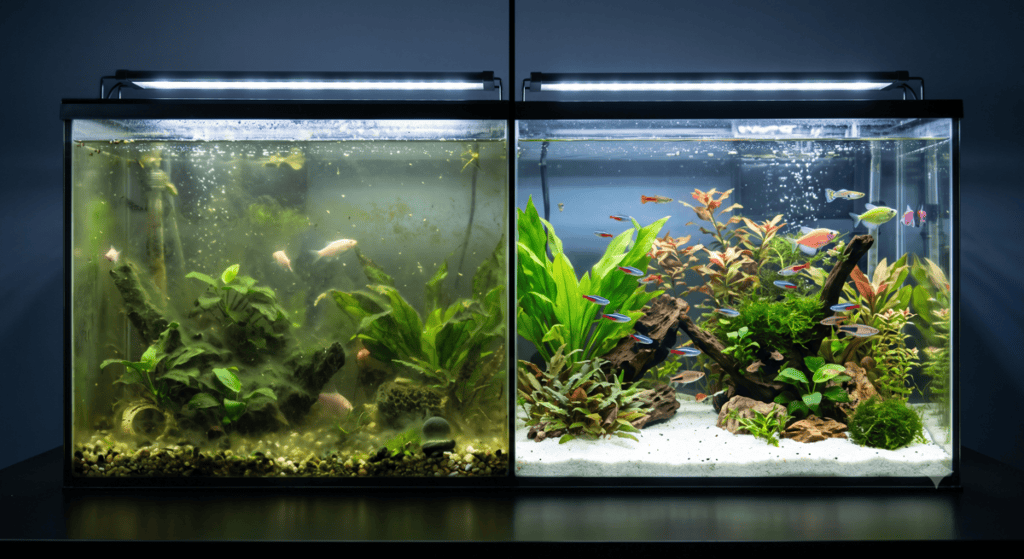
Overfeeding can lead to excess waste, cloudy water, and algae blooms. Automatic feeders dispense precise portions, helping maintain better water quality.
Pro-Tip: Pair an automatic feeder with regular freshwater fish tank cleaning by Australian Aquarium Cleaning to keep your aquarium crystal clear. Overfeeding, even when reduced, can still cause waste buildup over time.
3. Ideal for Holidays or Busy Schedules
If you’re going away for a weekend or an extended holiday, an automatic feeder ensures your fish are well-fed in your absence without relying on friends or family.
If you are heading away and want a simple checklist before you go, our holiday aquarium cleaning guide covers the key steps.
Best Automatic Fish Feeders from Trusted Brands
When choosing an automatic feeder, it’s best to go with reliable brands known for quality and durability. Here are some of Australian Aquarium Cleaning’s recommended options:
Eheim Everyday Fish Feeder
Eheim is a trusted name in aquarium equipment, and their Everyday Fish Feeder is one of the best options on the market.
- Key Features:
- Large food chamber suitable for various food types
- Digital timer for custom feeding intervals
- Built-in fan to keep food dry and prevent clumping
- Best For:
Freshwater and saltwater tanks, especially those using Hikari or Ocean Nutrition pellets.
Expert Advice: Position the Eheim feeder away from areas with high humidity or splashes to prevent moisture from affecting the food.

Fluval Automatic Feeder
Fluval offers sleek, modern automatic feeders with programmable settings that make feeding a breeze.
- Key Features:
- LCD display for easy programming
- Adjustable portion control
- Battery-operated for reliability during power outages
- Best For:
Aquariums with diverse fish species that require varied feeding schedules.
Common Issues with Automatic Fish Feeders
While automatic feeders are highly convenient, they can have some limitations. Here are a few common issues and how to solve them:
1. Food Clumping
Moisture can cause food to clump, blocking the dispenser. To avoid this:
- Use feeders with built-in ventilation, like the Eheim Everyday Feeder.
- Position the feeder away from splashing water.
2. Power Outages
Battery-operated feeders, like the Fluval Automatic Feeder, can continue working during power outages, ensuring your fish are fed even if the power goes out.
3. Inconsistent Feeding
Some feeders may not dispense food evenly. To ensure consistent feeding:
- Use high-quality pellets or flakes from trusted brands like Hikari, Ocean Nutrition, or Tetra.
- Test the feeder a few days before leaving it unattended for an extended period.
Jargon Buster: Automatic Fish Feeder
An automatic fish feeder is a device that dispenses pre-set amounts of fish food at scheduled intervals. They help maintain consistent feeding routines, especially when you’re away or busy.
How to Set Up an Automatic Feeder
Setting up an automatic feeder is straightforward, but proper installation is key to ensuring it works effectively.
Step 1: Choose the Right Feeder
Select a feeder compatible with the food type your fish prefer. For example, if your fish eat pellets, choose a feeder designed to handle pellet-sized portions.
Step 2: Program the Feeder
Most feeders come with a digital timer. Set the feeding times according to your fish’s schedule, typically 1–2 times per day.
Step 3: Test Before Use
Run the feeder for a day or two while monitoring the portion size and consistency. Make adjustments as necessary.
Step 4: Position the Feeder Correctly
Place the feeder where it won’t be exposed to moisture. This helps prevent food from clumping and ensures consistent feeding.
Additional Aquarium Care Products
In addition to automatic feeders, here are some essential products from Australian Aquarium Cleaning’s recommended brands that can help maintain a healthy tank:
- Water Conditioners (Seachem): Ideal for preparing tap water and maintaining water quality.
- Fish Food (Tetra, Hikari, Ocean Nutrition): High-quality food ensures better fish health and less waste.
- Filtration Systems (Oase, Aqua One): Reliable filters keep your tank clean and reduce the need for frequent maintenance.
- Heaters (Eheim): Precise heaters ensure stable water temperature, crucial for most fish species.
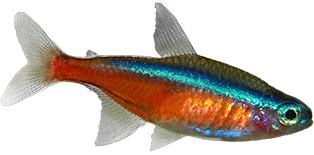
Featured Species: Freshwater Tetras
Tetras are popular freshwater fish that thrive in community tanks. They benefit greatly from consistent feeding and a clean environment. Pairing an automatic feeder with regular freshwater fish tank cleaning ensures they stay healthy and vibrant.
FAQs for Automatic Feeders
- Can automatic feeders handle all types of fish food?
Most automatic feeders work well with flakes and pellets. However, freeze-dried food may not dispense as evenly, so it’s best to test before relying on it.
- How often should I refill the feeder?
This depends on the size of the food chamber and the number of fish. On average, a full feeder can last 1–2 weeks.
- Are automatic feeders suitable for saltwater tanks?
Yes, many feeders, such as those from Eheim and Fluval, are designed for both freshwater and saltwater tanks.
- Do automatic feeders replace the need for manual feeding?
No. While they’re convenient, manual feeding occasionally allows you to observe your fish and adjust their diet as needed.
Better Alternative: Regular Maintenance
While automatic fish feeders offer convenience, they don’t replace the need for regular maintenance. Book the professional Australian Aquarium Cleaning services team to ensure your tank remains healthy and clean. Their expertise with top products from brands like Seachem, Aqua One, and Fluval ensures the best care for your freshwater aquarium.
Conclusion
Automatic fish feeders are a great tool for busy freshwater aquarium owners, but they’re not a complete solution. Regular maintenance, proper feeding, and high-quality products are essential for keeping your fish healthy. If you want a pristine tank without the hassle, book Australian Aquarium Cleaning services today!